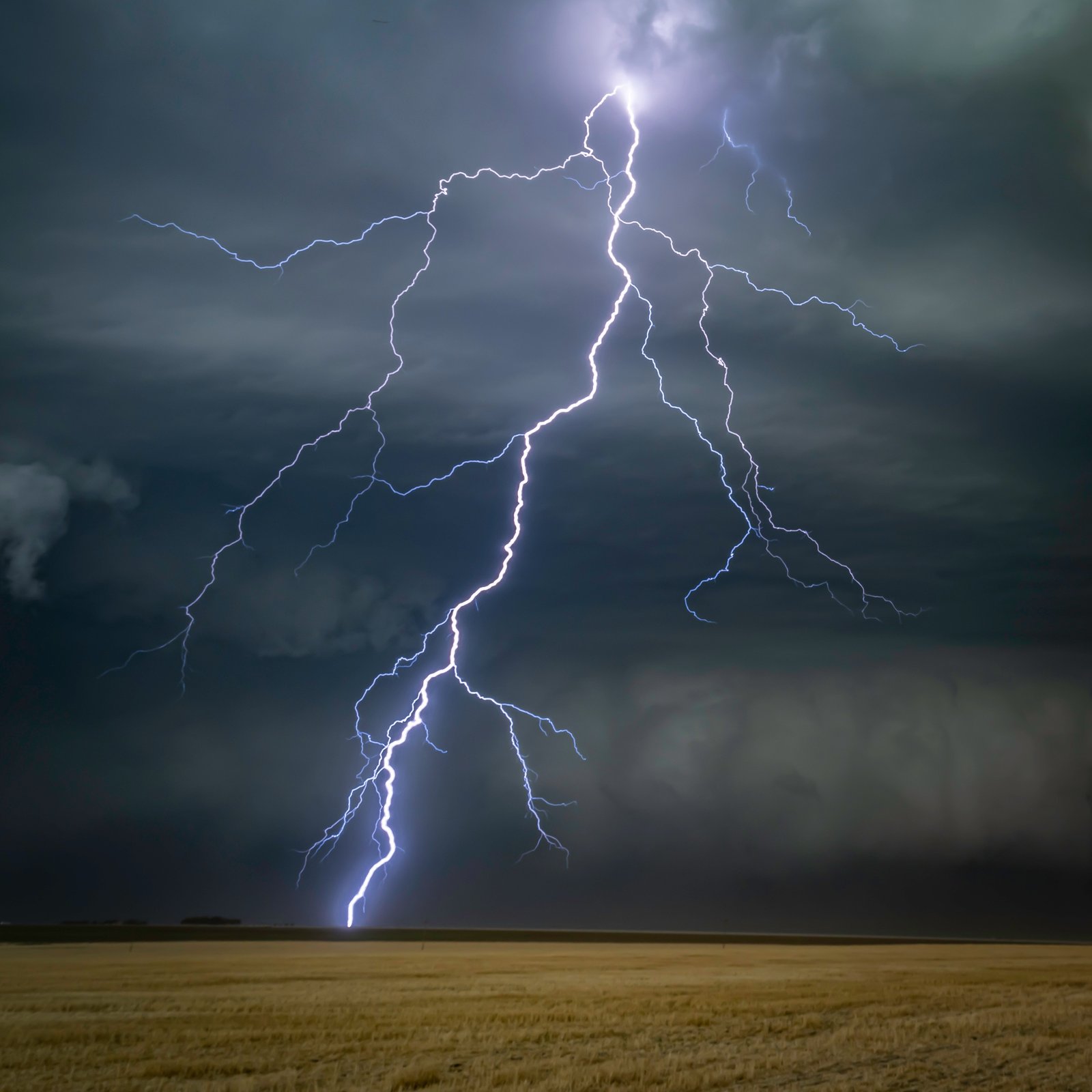
Preparing Your Business for the Growing Risk of Convective Storms
Severe convective storms are increasing in frequency and intensity. Learn how hail, tornadoes, and lightning threaten operations and how organizations can strengthen resilience.
Preparing Your Business for the Growing Risk of Convective Storms
Severe weather is becoming an increasingly disruptive force for organizations across many industries. Convective storms, which include hail, tornadoes, lightning, and severe winds, are responsible for billions in property damage and operational disruption each year. These storms can form quickly and intensify rapidly, creating unique challenges for businesses that rely on stable operations, resilient infrastructure, and protected assets.
For many organizations, the risk extends beyond physical damage. Convective storms can interrupt supply chains, damage equipment, disrupt production, and create safety risks for employees. Even short-lived storms can cause long periods of downtime when facilities or critical systems are affected.
Understanding these risks and taking proactive steps to mitigate them is becoming a key part of modern risk management strategies. Businesses that prepare for convective storms can better protect their facilities, maintain operational continuity, and reduce potential losses.
This guide explores the primary hazards associated with convective storms and provides practical insights to help organizations strengthen resilience.
The Rise of Severe Convective Storms
Severe convective storms are complex weather systems that develop when warm, moist air rises rapidly into the atmosphere and interacts with cooler air. These atmospheric conditions can produce a wide range of hazards including intense winds, large hail, lightning strikes, and tornadoes.
In recent years, many regions have experienced an increase in the frequency and severity of these storms. Rapid storm development and unpredictable movement make them difficult to forecast with precision, leaving businesses little time to prepare once conditions begin to develop.
For organizations, convective storms pose several challenges:
- Sudden facility damage
- Operational interruptions
- Infrastructure impacts
- Worker safety concerns
- Equipment and technology vulnerabilities
Facilities with large roof surfaces, exposed equipment, or outdoor assets can be particularly vulnerable. Businesses that operate distribution networks, manufacturing plants, or energy infrastructure may also experience cascading impacts when storms disrupt operations.
Understanding how convective storms develop and the risks they pose is the first step toward building effective mitigation strategies.
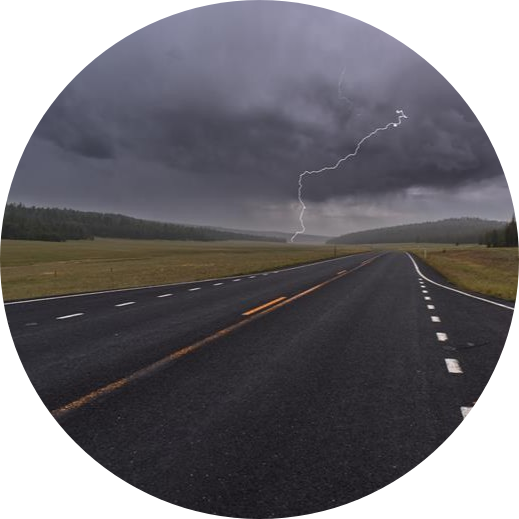
Preparing for Hail Risk and Facility Protection
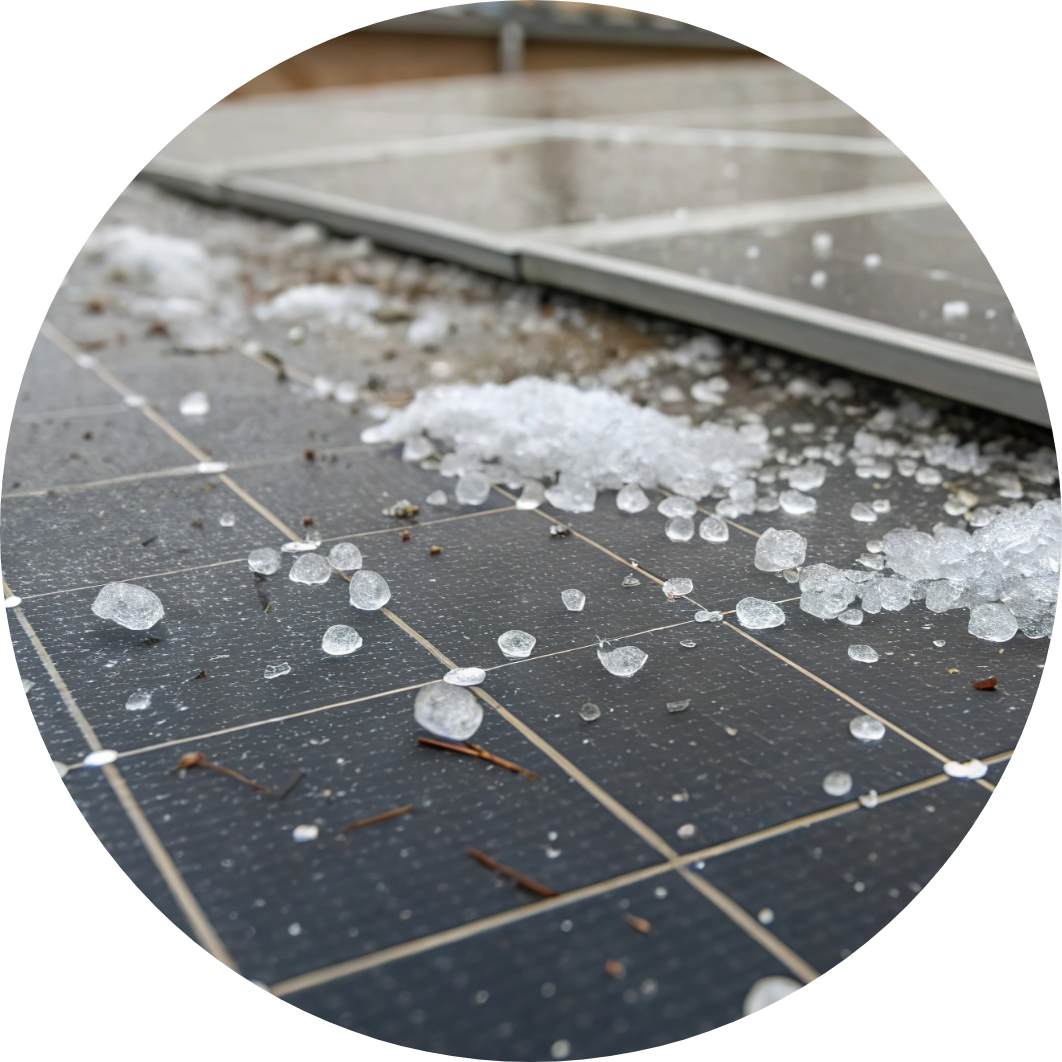
Hail is one of the most damaging components of convective storms for commercial property. Large hailstones can form quickly within strong storm systems and fall with enough force to damage roofing systems, skylights, HVAC units, vehicles, and exterior equipment.
Commercial buildings often have large flat roofs that can be particularly susceptible to hail impacts. Even moderate hail events can weaken roofing materials or create punctures that lead to water intrusion and costly repairs.
Solar installations, rooftop equipment, and fleet vehicles also face significant exposure during hail events. For organizations that depend on uninterrupted operations, hail damage can lead to extended downtime while repairs are completed.
Businesses can reduce hail risk by evaluating building materials, strengthening roofing systems, and implementing monitoring procedures that provide advance warning of severe weather conditions.
Download the Convective Storm Risk Toolkit
Learn how severe weather hazards such as hail, tornadoes, and lightning can affect business operations and infrastructure. This guide outlines key risks and practical steps organizations can take to improve resilience.
Complete the form below to download the toolkit.
Convective Storm Risk Frequently Asked Questions
Convective storms are severe weather systems that form when warm, moist air rises rapidly into cooler air in the atmosphere. This process creates instability that can produce hazards such as hail, lightning, tornadoes and strong winds.
Convective storms can develop quickly and cause sudden damage to facilities, equipment and infrastructure. Businesses may also face operational disruption, supply chain delays and safety risks for employees when severe weather impacts critical systems.
Organizations with large facilities, outdoor operations, vehicle fleets, energy systems or exposed infrastructure are often more vulnerable. Manufacturing, logistics, energy, construction and commercial property operations may face elevated exposure.
Hail can damage roofing systems, HVAC units, skylights, vehicles and outdoor equipment. Even short hail events may create hidden damage that leads to leaks, equipment failure or costly repairs later.
Lightning can damage electrical systems, disrupt communications, trigger equipment failures and create fire risks. Facilities with sensitive technology or outdoor infrastructure may require additional protection measures.
Businesses can improve resilience by assessing facility vulnerabilities, strengthening maintenance programs, developing emergency response plans and preparing recovery procedures before severe weather occurs.