Hurricane and Tropical Storm Wind Damage Risk
Reduce wind-driven damage to buildings and equipment through targeted resilience strategies.
Hurricane Wind Exposure
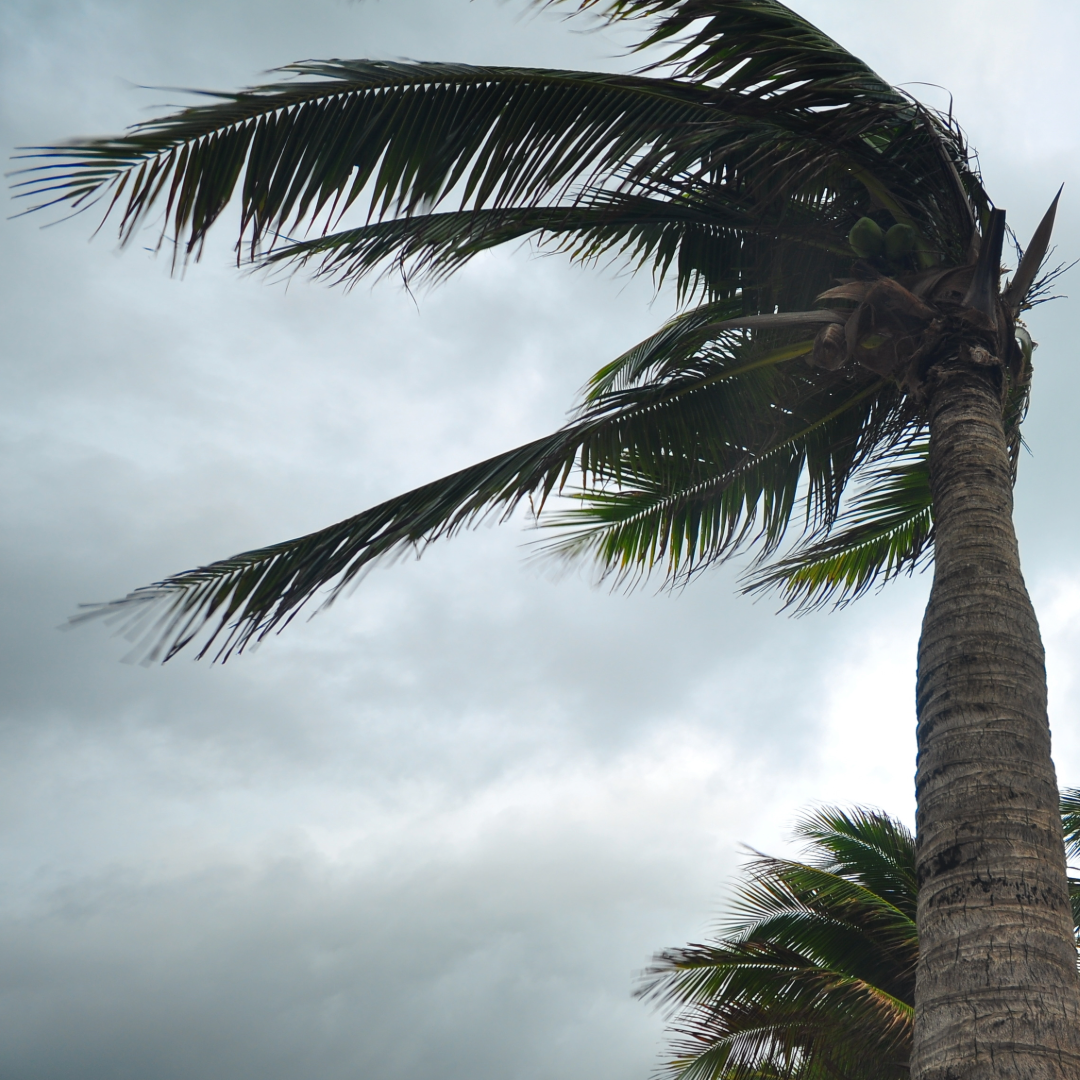
Hurricane winds place extreme stress on roofs, walls and exposed systems. Vulnerabilities in building design, maintenance or attachments can lead to rapid failure as wind speeds increase.
For businesses, wind damage often results in water intrusion, equipment loss and operational shutdown. Small failures can quickly escalate into widespread internal damage.
Understanding how wind impacts structures allows organizations to identify weaknesses and strengthen protection before a storm.
How Wind Damage Develops
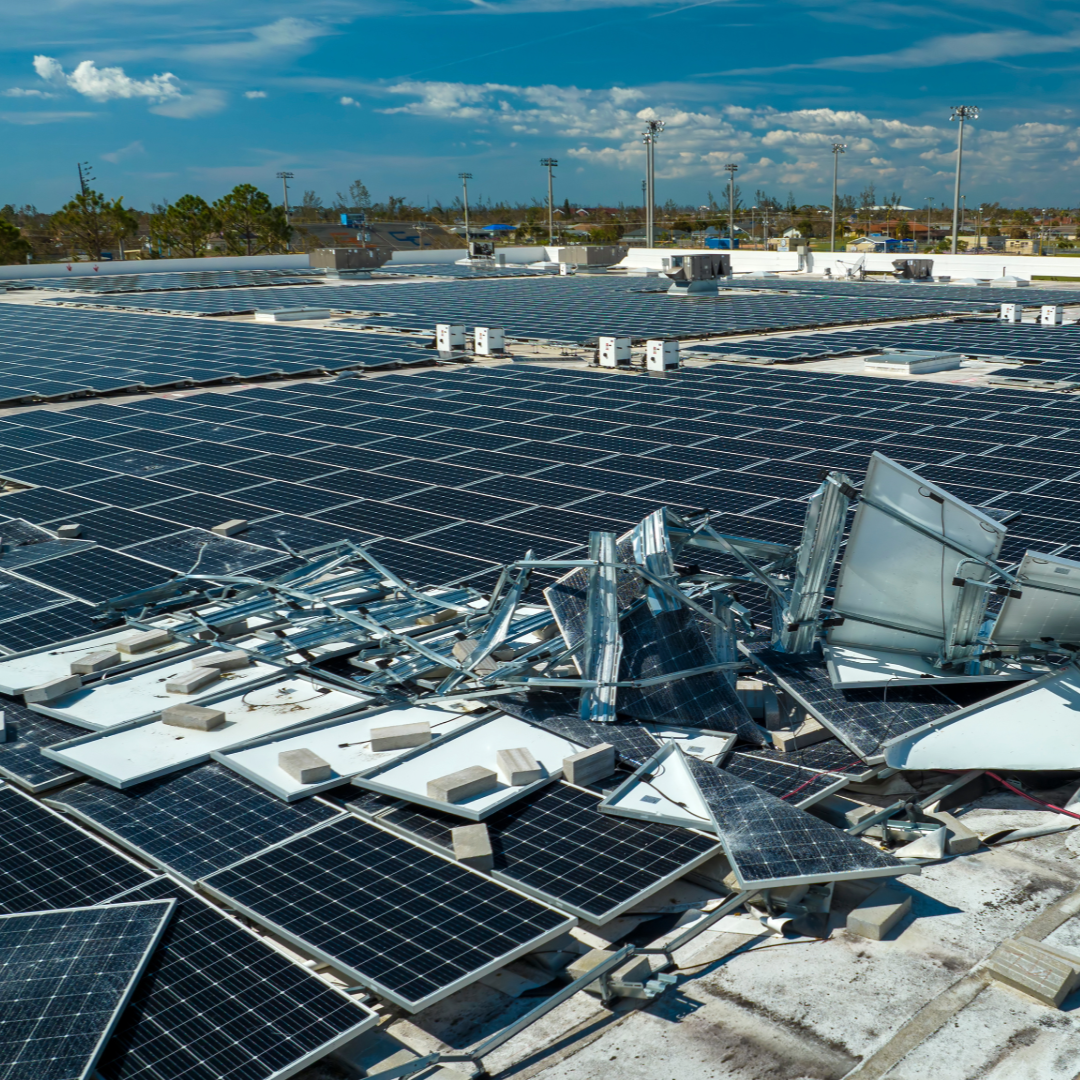
High winds create uplift forces on roofs and pressure differentials across walls and openings. Once the building envelope is compromised, wind-driven rain can penetrate and spread damage internally.
Hurricane winds can cause sudden and severe damage to buildings and exterior systems, often creating secondary losses through water intrusion and debris impacts.
Wind-related impacts may include:
- Roof failures leading to water entry
- Damage to windows, doors and exterior walls
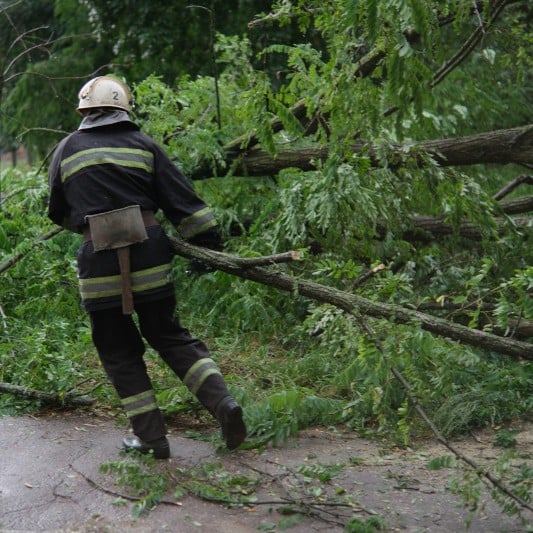
- Windborne debris striking equipment and structures
- Loss of rooftop systems and utilities
- Unplanned operational shutdowns
Identifying wind vulnerabilities helps businesses reduce damage and limit disruption.
Improving Wind Resilience
Unchecked vulnerabilities can turn wind exposure into major loss. Proactive maintenance and structural strengthening reduce risk.
Organizations that plan for wind hazards are better positioned to protect facilities and maintain continuity.