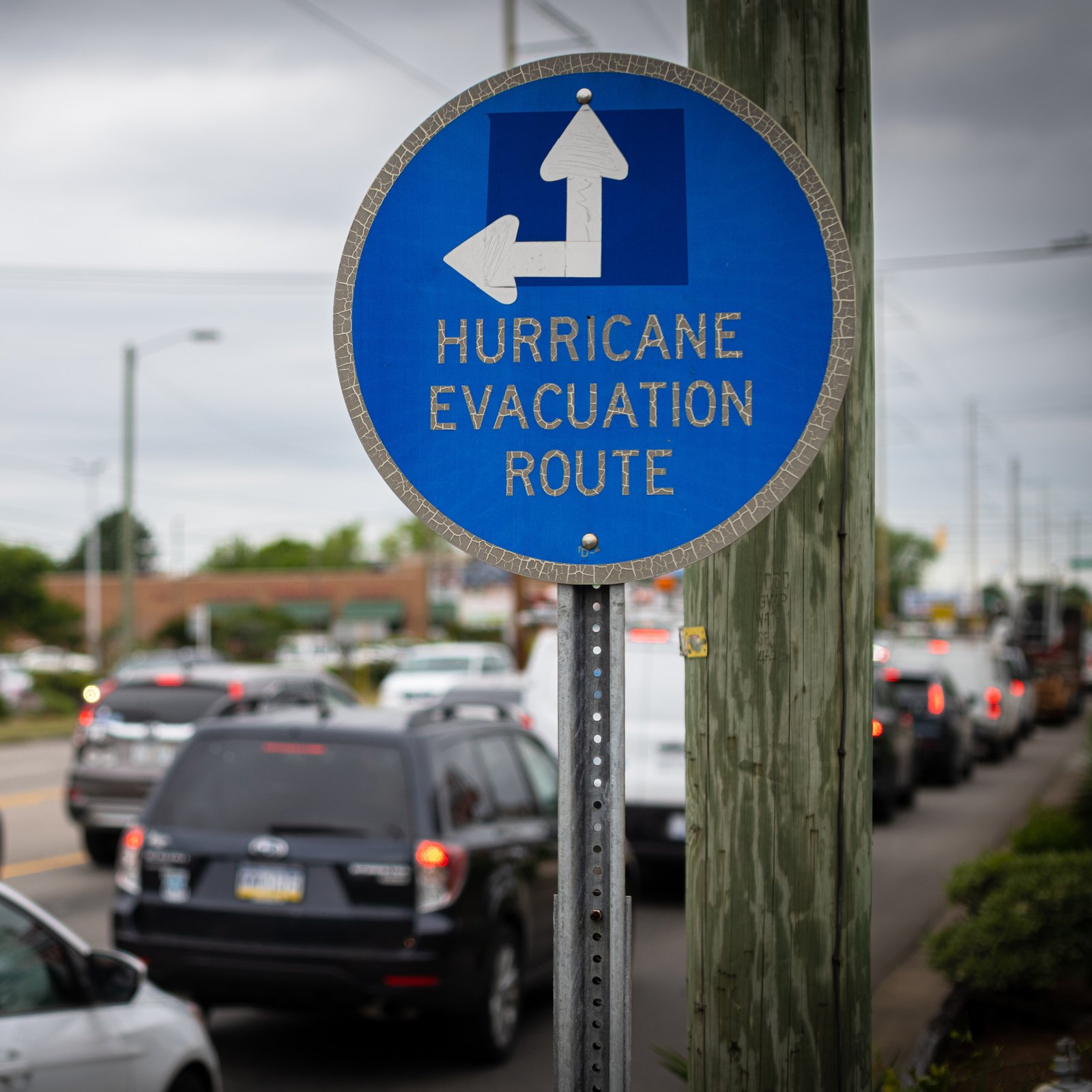
Hurricane and Tropical Storm Risk
Reduce wind, water and operational disruption with practical hurricane and tropical storm risk strategies.
Managing Hurricane and Storm Risk
Hurricanes and tropical storms pose complex and growing risks for businesses, particularly in coastal and storm-exposed regions. These events can damage facilities, disrupt operations and threaten employee safety, often with limited time for response.
Risk extends beyond wind alone. Flooding, storm surge, water intrusion and debris can compromise structures, damage equipment and cause extended downtime. Failures in power, communications and utilities can further delay recovery.
Preparedness plays a critical role in limiting loss. Organizations that assess exposure, strengthen facilities and establish clear response plans are better positioned to reduce impacts and recover more quickly. A structured approach across mitigation, response and recovery supports resilience as storm severity increases.
How Hurricanes and Storms Form
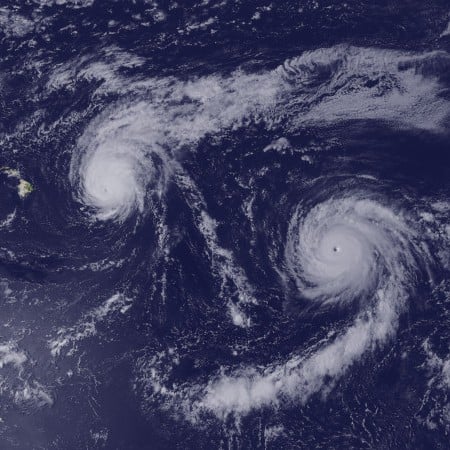
Hurricanes and tropical storms are severe weather systems that develop over warm ocean waters. They combine high winds, heavy rainfall and rising sea levels, creating multiple hazards that can affect businesses simultaneously.
As warm air rises, low-pressure systems form and draw in surrounding air and moisture. Increasing wind speeds can strengthen storms into hurricanes capable of generating destructive wind forces, storm surge and widespread flooding.
For many businesses, water is the primary driver of damage. Wind-driven rain can enter through compromised roofs, walls and windows, while storm surge and runoff can flood facilities and weaken foundations. Understanding how these hazards develop supports more effective risk management.
Preparing for Wind Damage and Facility Protection
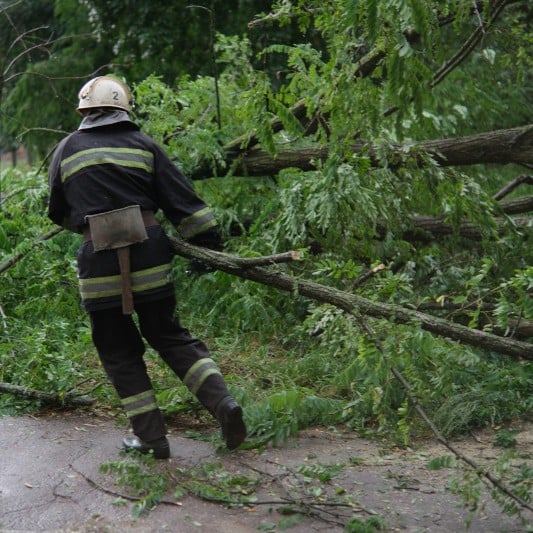
Hurricane winds place intense stress on buildings, particularly roofs, walls and exterior attachments. As wind speeds increase, pressure differences across the building envelope can lead to uplift, material fatigue and component failure. Once the envelope is compromised, wind‑driven rain can enter facilities and spread damage beyond the initial failure point.
Windborne debris further increases risk by damaging windows, doors and exposed systems. Dislodged rooftop equipment, signage and surrounding materials can strike safety‑critical areas and building openings, creating additional paths for water intrusion and operational disruption.
Even small structural failures can escalate quickly into larger losses. A damaged roof section or unsecured rooftop unit can allow extensive water damage that delays recovery. Proactive measures such as securing rooftop equipment and maintaining roofs, walls and openings help reduce exposure and support faster recovery.
Hurricane and Tropical Storms Frequently Asked Questions (FAQs)
Hurricanes can cause structural damage, flooding and extended operational disruption while creating safety risks and supply chain impacts.
Water can penetrate buildings through multiple entry points and spread rapidly, often causing more extensive damage than wind alone.
Preparation includes reviewing response plans, inspecting facilities, securing equipment and confirming backup power and communications.
Preparation should begin before hurricane season and increase as storms approach, typically 48 to 36 hours before impact.
Employee safety, controlled shutdown procedures and ongoing situation awareness are critical priorities.
Defined recovery plans, clear communication and timely repairs help shorten downtime and restore operations.
Download the Hurricane and Tropical Risk Toolkit
Prepare your organization for hurricane and tropical storm impacts with practical guidance across mitigation, response and recovery. Download the toolkit to support readiness before the next storm.
Complete the form below to download the toolkit.