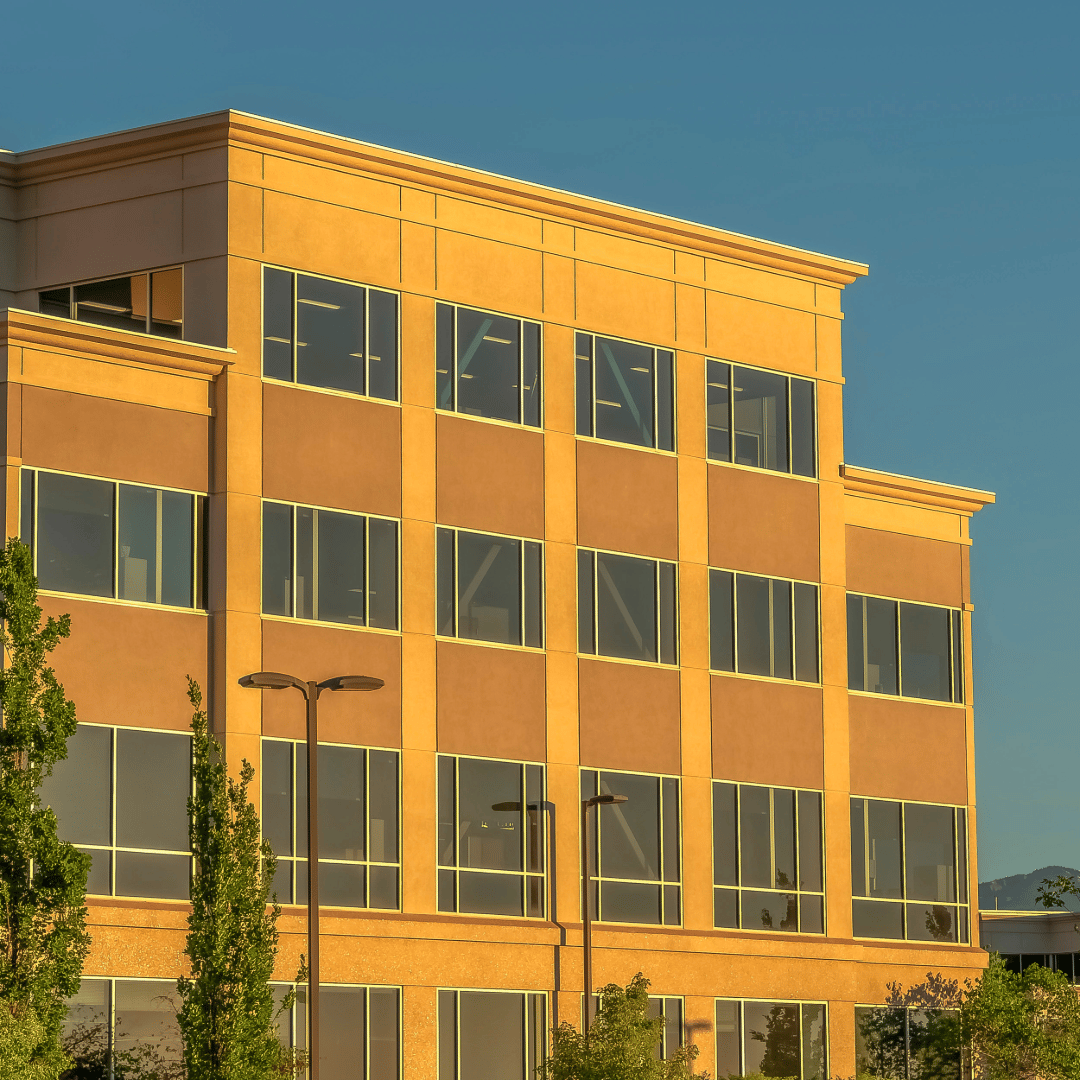
Protect Commercial Property from Wildfire Risk
Building protection starts long before a wildfire approaches. Reducing combustible exposures and improving facility resilience can help limit damage and support business continuity during wildfire events.
Protect Facilities Before Wildfire Threatens
Wildfires can threaten facilities through direct fire exposure, radiant heat, wind-driven embers, smoke contamination and utility disruptions. Commercial properties located near vegetation, wooded areas or unmanaged landscapes may face increased exposure when protective measures are not in place.
Property damage is often caused by more than flames alone. Embers can travel significant distances ahead of a wildfire and ignite vulnerable building components, outdoor storage areas and combustible landscaping. Smoke and soot can also affect facilities, equipment and building systems even when structures remain intact.
By identifying vulnerabilities, strengthening facilities and preparing for recovery, organizations can reduce wildfire-related losses and improve long-term resilience. Property protection strategies can help support business continuity, minimize operational disruption and accelerate post-event recovery.
Preparing, Responding and Recovering from Wildfires
Protecting commercial property requires planning before wildfire season, decisive action when threats emerge and a structured recovery process after the event. Organizations that address each phase of the wildfire lifecycle are often better positioned to reduce losses, support business continuity and strengthen long-term resilience.
Reduce Property Vulnerabilities
Preparation is one of the most effective ways to reduce wildfire exposure. Organizations should evaluate facilities, identify combustible hazards and implement mitigation measures that help limit fire spread and ember ignition.
Preparation activities may include:
- Establishing defensible space around buildings
- Reducing combustible vegetation
- Removing combustible storage near structures
- Protecting vents, windows and openings
- Improving roof and exterior building materials

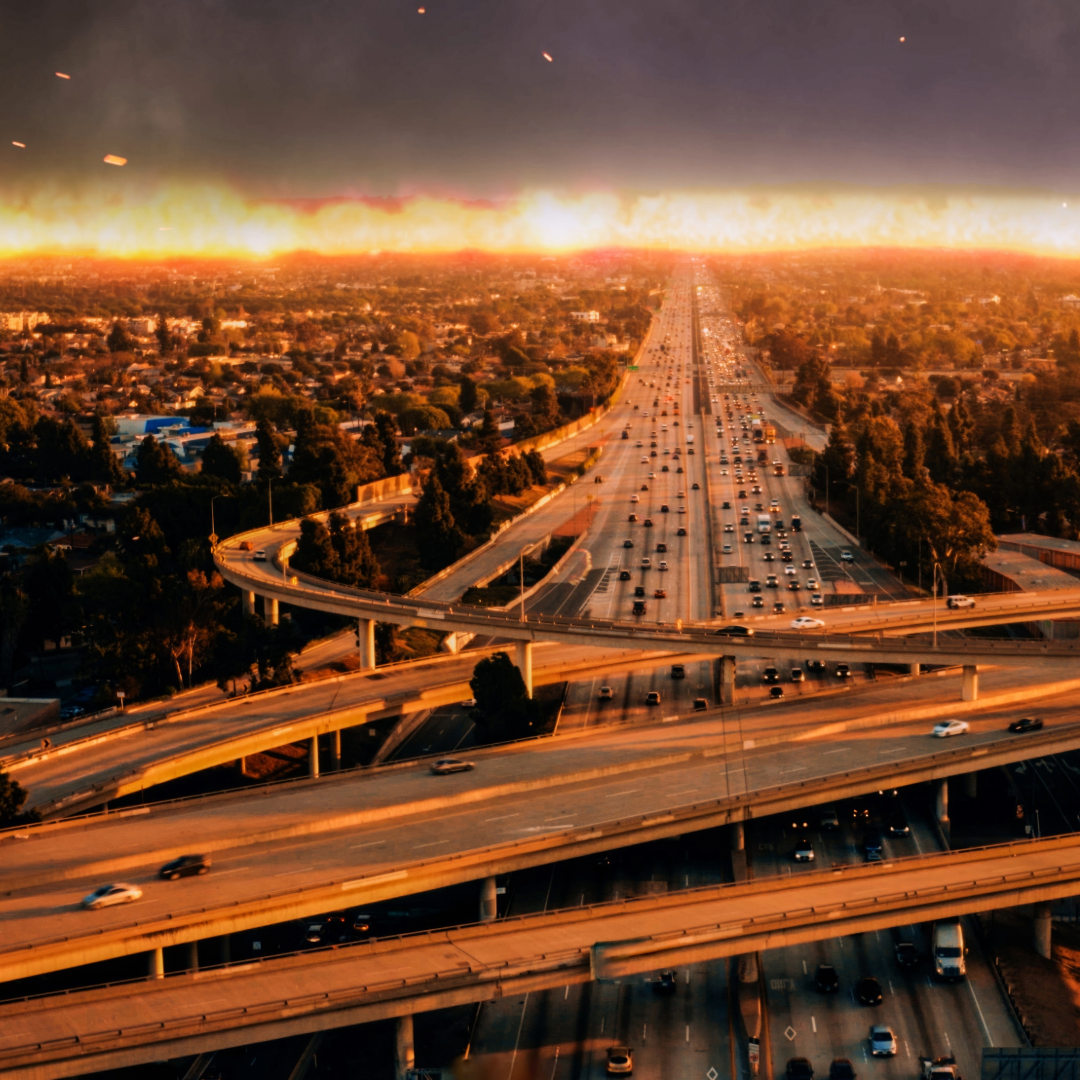
Strengthen Wildfire Property Resilience
Protecting facilities from wildfire requires more than emergency response. Organizations that invest in preparedness, property protection and recovery planning can reduce exposure and improve resilience before wildfire conditions intensify.
Wildfire Property Risk FAQs
Businesses can reduce wildfire exposure by creating defensible space, reducing combustible vegetation, protecting building openings and strengthening exterior building materials.
Defensible space is a managed area surrounding a building where combustible vegetation and materials are reduced to help slow wildfire spread and reduce ignition potential.
Yes. Smoke and soot can enter facilities through HVAC systems, air intakes and building openings, potentially affecting equipment, indoor air quality and operations.
Wind-driven embers can travel significant distances ahead of the main fire front and may ignite buildings, vegetation and outdoor storage areas.
Organizations may consider ignition-resistant exterior materials, protected vents, sealed openings, defensible space measures and vegetation management strategies.
Property owners should inspect structures, fire protection systems, utility infrastructure, HVAC systems and other critical equipment before returning to normal operations.
Access Our Wildfire Toolkit
Explore the Wildfire Toolkit and broader Natural Hazards resources for practical strategies that support facility protection, preparedness and operational resilience.