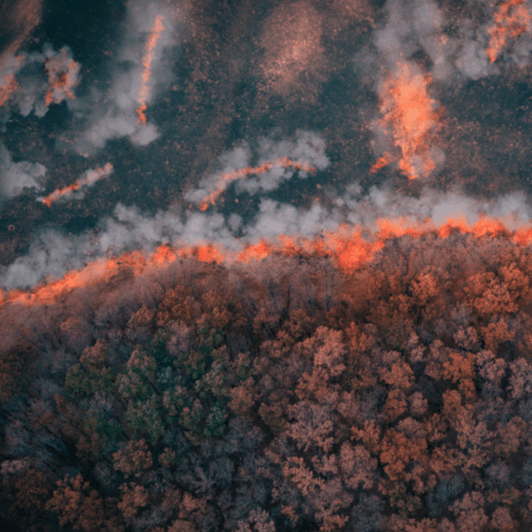
Protect Your Organization from Wildfire Risk
Wildfires can threaten facilities, disrupt operations and impact supply chains before flames reach a site. Effective planning helps reduce risk, build resilience and recover faster.
Protect People, Property and Operations from Wildfires
Wildfires are becoming more frequent, severe and unpredictable across many regions. Beyond direct fire damage, organizations may face smoke contamination, utility interruptions, transportation disruptions, employee safety concerns and business interruption. A proactive wildfire resilience strategy can help organizations reduce exposure, strengthen preparedness and recover more effectively when wildfire events occur.
Why Wildfire Resilience Matters
Wildfire risk extends beyond areas traditionally associated with fire exposure. Wind-driven embers can travel significant distances from the main fire, while smoke and soot can impact facilities and operations even when flames never reach a site. Businesses may experience property damage, workforce disruptions, supply chain interruptions and prolonged recovery challenges during and after a wildfire event.
Organizations that assess risk, strengthen facilities, prepare employees and establish business continuity strategies are often better positioned to manage wildfire impacts and restore operations following an event
Protect People During Wildfire Events
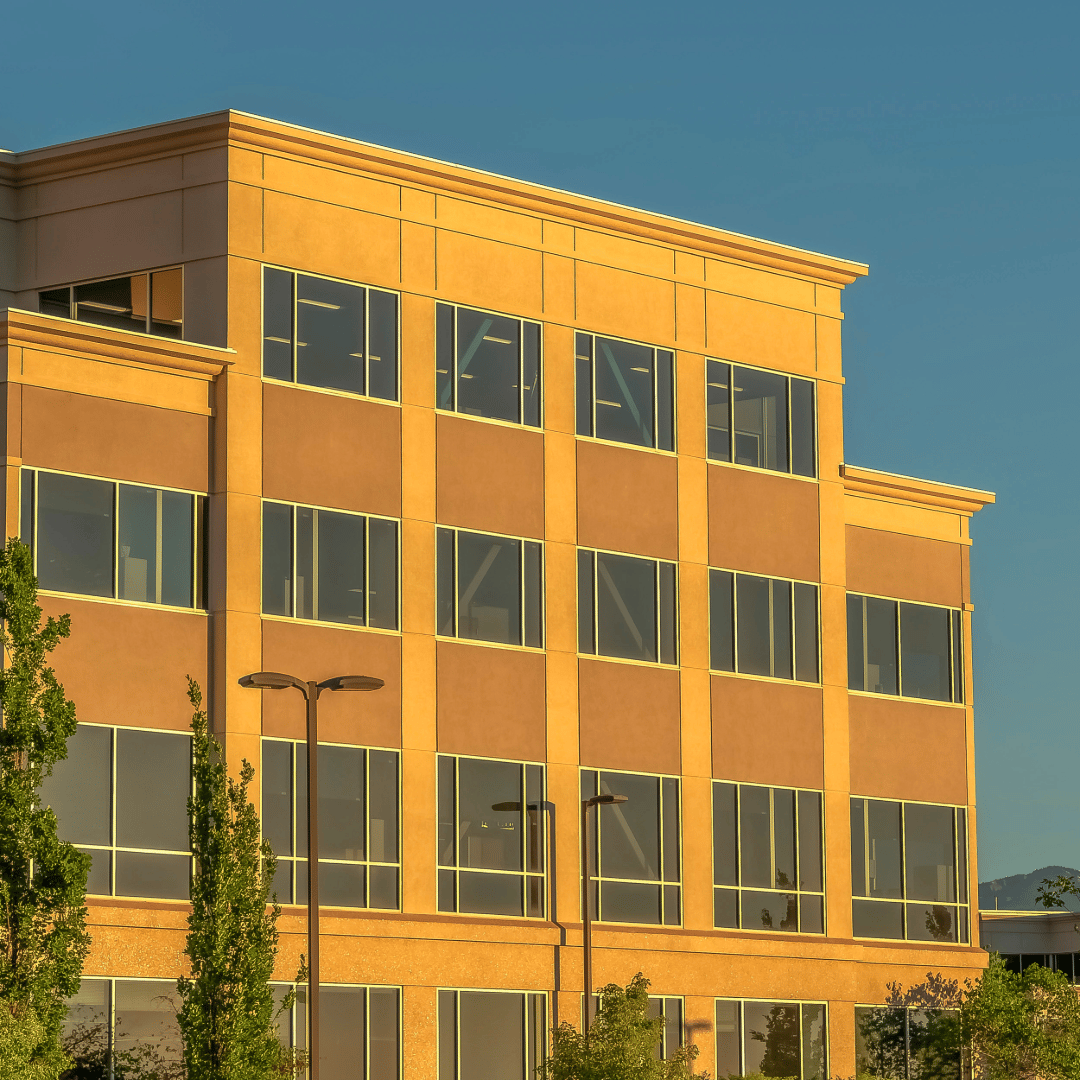
Wildfires can threaten buildings, equipment, utilities and critical infrastructure through direct fire exposure, radiant heat, wind-driven embers, smoke and soot. Strengthening facilities and reducing combustible exposures can help minimize damage and accelerate recovery.
Learn how to:
- Strengthen facilities against wildfire
- Reduce ember intrusion risks
- Establish defensible space
- Improve wildfire preparedness
- Support post-fire property recovery
Wildfire Resilience Frequently Asked Questions (FAQs)
Wildfire resilience is an organization's ability to prepare for, respond to and recover from wildfire-related disruptions affecting people, property and operations. A comprehensive resilience strategy helps organizations reduce risk, strengthen preparedness and improve recovery outcomes.
Wildfires are affecting more regions and creating a broader range of business challenges. Organizations may face property damage, smoke contamination, utility interruptions, transportation disruptions, employee safety concerns and operational downtime during wildfire events.
Yes. Smoke, soot, supply chain disruptions, transportation issues and infrastructure impacts can affect businesses located well beyond the immediate fire area. Wildfire-related disruptions may occur even when facilities are not directly exposed to flames.
Wildfires can create risks to people, property and operations. Common challenges include facility damage, employee safety concerns, business interruption, utility outages, evacuation orders, transportation restrictions and supply chain disruptions.
A wildfire risk assessment can help organizations identify site-specific vulnerabilities, evaluate exposures affecting people, property and operations, and prioritize actions that support preparedness, mitigation and resilience planning.
Organizations can improve wildfire resilience by assessing risk, strengthening facilities, preparing employees, developing business continuity plans and establishing recovery strategies that support long-term operational readiness.
Download Practical Wildfire Guidance
Wildfire resilience requires a coordinated approach that addresses property protection, employee safety and business continuity. Access the Wildfire Toolkit for practical guidance that can help your organization prepare for wildfire threats, respond effectively and recover with greater confidence.