
Flood Resilience for Businesses
Reduce flood risk, protect people and property, strengthen operational continuity and recover faster with practical flood resilience strategies.
Understanding the Business Impact of Flood Risk
Flooding remains one of the most disruptive and costly natural hazards facing organizations today. Increased rainfall intensity, changing weather patterns, aging infrastructure and continued development are creating new flood exposures across industries and geographies. As a result, businesses can face flood risks from extreme rainfall, overflowing rivers and waterways, storm surge, inadequate drainage systems and localized flash flooding. Even facilities located outside traditional flood zones may be vulnerable as environmental conditions and surrounding landscapes continue to change.
The consequences of flooding extend far beyond property damage. Flood events can disrupt operations, damage critical equipment, interrupt supply chains, create employee safety concerns, limit access to facilities and impact customer service. Recovery often requires significant investments of time, resources and planning, with business impacts continuing long after floodwaters recede.
Organizations that understand their flood exposures and take proactive steps to improve resilience are better positioned to reduce disruptions, protect employees, safeguard assets and maintain operational continuity. Zurich Resilience Solutions helps organizations assess flood risk, implement mitigation measures and strengthen preparedness, response and recovery capabilities that support long-term business resilience and stakeholder confidence.
Explore Flood Resilience Solutions
Organizations that effectively manage flood risk take a proactive approach before, during and after an event. Flood resilience requires more than emergency planning alone. It involves assessing vulnerabilities, preparing facilities and operations, protecting people and assets during disruptive conditions and establishing recovery strategies that help restore operations efficiently.
Explore how Zurich Resilience Solutions helps organizations strengthen resilience across every stage of the flood lifecycle.
Build Flood Preparedness and Business Continuity Capabilities
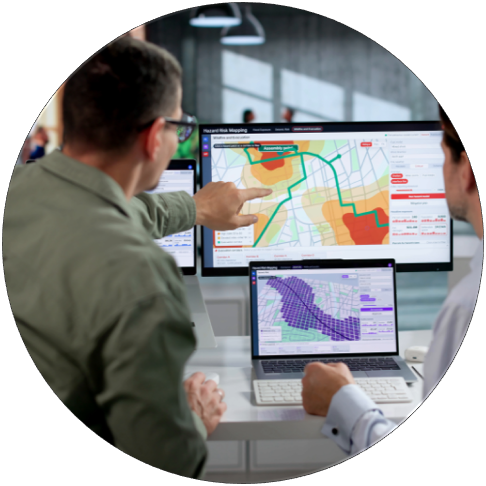
Effective flood resilience begins long before floodwaters threaten operations. Organizations that understand their exposures, assess vulnerabilities and establish continuity strategies are often better positioned to reduce disruptions when conditions change.
Preparedness activities should focus on evaluating flood risk, strengthening facilities, enhancing operational readiness and developing plans that support decision-making during disruptive events. By preparing in advance, organizations can improve resilience while reducing potential impacts to people, property and operations.
Learn how to:
- Assess facility-specific flood exposures
- Identify operational vulnerabilities
- Prioritize mitigation investments
- Strengthen facility preparedness
- Improve business continuity planning
Build Your Flood Resilience Strategy
Download practical guidance from Zurich Resilience Solutions to assess flood risks, strengthen preparedness, improve response capabilities and accelerate recovery.
Flood Risk FAQs
Flood resilience is the ability to assess, prepare for, respond to and recover from flood events while minimizing impacts to people, property and operations.
Organizations can reduce risk through flood assessments, mitigation investments, emergency planning, facility improvements and business continuity planning.
The plan should address preparedness, communications, employee safety, property protection, operational continuity, response activities and recovery actions.
Increased rainfall intensity, changing weather patterns, development and aging infrastructure can contribute to growing flood exposures.
Plans should be reviewed regularly and updated whenever facility conditions, operations or flood exposures change.
Flooding can affect employee safety, property, equipment, supply chains, production, utilities and customer service.
Recovery planning, contractor relationships, damage documentation and clear restoration priorities can reduce downtime.
Manufacturing, logistics, healthcare, utilities, food processing, retail and organizations with critical physical infrastructure often face significant flood-related risks.